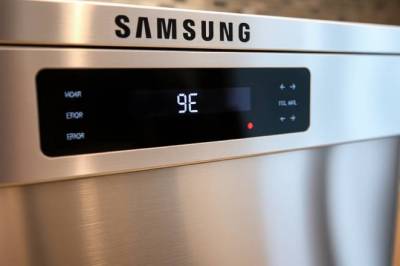
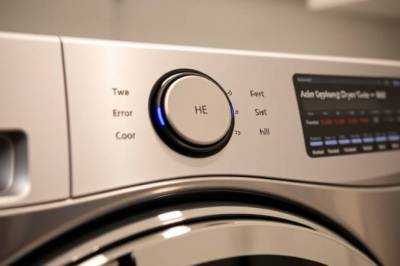
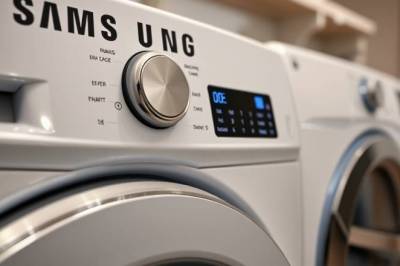
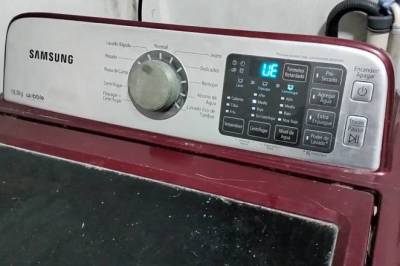
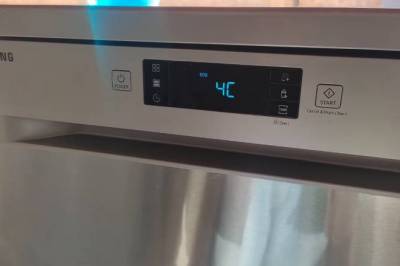
Samsung is the world's second-largest home appliance manufacturer by revenue, producing over 50 million units annually across washers, dryers, dishwashers, refrigerators, ranges, and microwaves. Their appliances incorporate advanced sensor technology and smart connectivity through the SmartThings platform, making them feature-rich but also prone to displaying diagnostic error codes when components fail or need attention.
How Samsung Error Codes Work
Samsung appliances use an alphanumeric error code system displayed on their digital control panels. Each code combines letters and numbers to identify a specific fault condition detected by the appliance's internal sensors. Common Samsung error code formats include 4C (water supply issue on dishwashers), HE or HE1/HE2 (heating element failure), OC (water overflow detection), dC (door lock malfunction), and LE (motor overload or leak detection).
When a Samsung appliance displays an error code, the unit typically pauses its current cycle and may emit audible beeps. Some codes are transient — meaning they appear due to temporary conditions like low water pressure — while others indicate a hardware failure that persists until the component is repaired or replaced. Understanding the difference is crucial for deciding whether to troubleshoot at home or call a professional.
Common Causes of Samsung Error Codes
Based on repair frequency data, the most common triggers for Samsung appliance errors are: clogged drain filters (responsible for approximately 30% of washer error codes), disrupted water supply connections (25% of dishwasher errors), overloaded drums exceeding weight limits (15% of washer errors), worn door seals allowing leak detection to trigger (10%), and control board communication failures often caused by power surges (8%). The remaining errors typically relate to temperature sensors, fan motors, or ice maker components.
Before You Call a Technician
Samsung publishes official troubleshooting steps for most error codes in their service manuals. Our guides expand on this official documentation with additional context from certified repair technicians, including common misdiagnoses to avoid, estimated part costs from major suppliers, difficulty ratings for DIY repair, and specific model variations that may affect the repair procedure. A significant portion of Samsung error codes — estimated at 40-50% based on service industry data — can be resolved without professional help using basic tools and our step-by-step instructions.
Browse Samsung Error Codes by Appliance
Select your Samsung appliance type below to find your specific error code. Each guide provides the official Samsung definition, verified probable causes ranked by likelihood, step-by-step repair procedures, required tools, estimated repair time and cost, and clear guidance on when professional service is recommended.