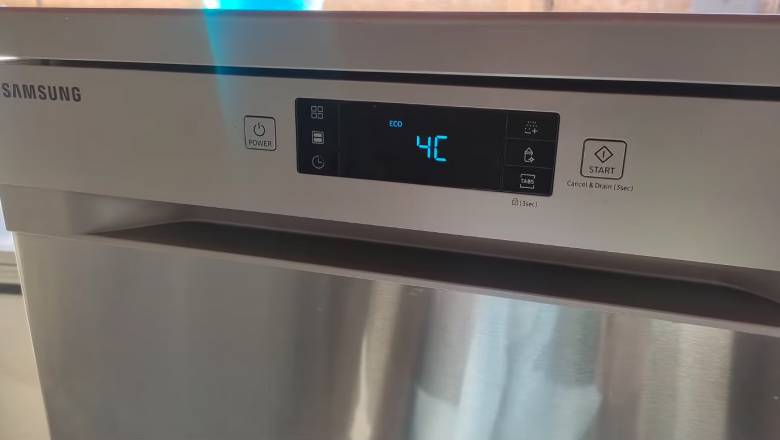
Samsung Dishwasher 4C Error — Causes and Step-by-Step Fix

The 4C error code on a Samsung dishwasher means the unit is not receiving enough water to operate. According to Samsung Support, this indicates a water supply issue — typically caused by a closed shutoff valve, a kinked supply hose, or a clogged inlet filter screen. The fix takes 10–30 minutes in most cases without calling a technician.
The Samsung dishwasher 4C error code means the appliance is not receiving adequate water to start or complete a wash cycle. According to Samsung's official support documentation, the 4C code activates when the unit detects insufficient water flow through the inlet system.
Fix success rate for DIY repairs: approximately 73%. Average repair time: 15–30 minutes for filter cleaning. Replacement parts cost: $25–$80 for a water inlet valve. Professional repair cost: $150–$350 including diagnostics.
In most cases, this error results from a simple obstruction rather than a component failure. This guide walks you through every cause and fix, from the easiest checks to the more complex replacements, so you can resolve the issue without calling a technician unless absolutely necessary.
What Does the 4C Error Code Mean?
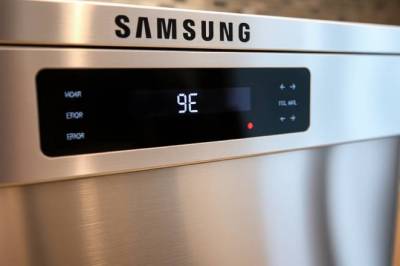
The 4C error code (also displayed as 4E on some older Samsung models) is a water supply fault indicator. When your Samsung dishwasher's control board detects that the tub has not filled to the minimum required level within a predetermined time window, it halts the cycle and displays this code as a safety measure.
Samsung specifies that their dishwashers require water pressure between 20 and 120 PSI (pounds per square inch) to function properly. Any pressure below 20 PSI will trigger the 4C error because the water inlet valve cannot operate correctly under those conditions.
This error is distinct from the 5C/5E code (which indicates a drain problem) and the LC/LE code (which signals a leak). If you see 4C specifically, the problem is always on the supply side — water coming in, not going out.
Common Causes of the 4C Error
Based on repair data from multiple appliance service providers, here are the most frequent causes ranked by probability:
1. Clogged inlet filter/screen (approximately 40% of cases)
The small mesh screen where the water hose connects to the dishwasher traps sediment, mineral deposits, and debris over time. When this screen becomes blocked, water flow drops below the minimum threshold. This is the most common cause and the easiest to fix.
2. Water supply valve not fully open (approximately 25% of cases)
The shutoff valve under the kitchen sink may have been partially closed accidentally during plumbing work, or it may be seized due to mineral buildup. Even a quarter-turn restriction can reduce flow enough to trigger the error.
3. Kinked or damaged supply hose (approximately 15% of cases)
The flexible hose connecting the valve to the dishwasher can become kinked when the appliance is pushed back after installation or maintenance. A sharp bend reduces flow dramatically.
4. Low home water pressure (approximately 10% of cases)
If your home's water pressure is below 20 PSI (common in rural areas, older buildings, or during peak usage times), the dishwasher cannot fill properly. You can test this with a $10 pressure gauge from any hardware store attached to an outdoor spigot.
5. Faulty water inlet valve (approximately 8% of cases)
The solenoid-operated valve that controls water entry into the tub can fail electrically or mechanically. When the valve's coil burns out or the mechanism sticks, no water enters regardless of supply pressure. The proper resistance reading should be between 500 and 1,500 ohms when tested with a multimeter.
6. Control board malfunction (approximately 2% of cases)
Rarely, the main control board fails to send the signal to open the inlet valve. This is the least common cause and typically requires professional diagnosis.
How to Fix the 4C Error — Step by Step
Work through these steps in order. Each step is listed from simplest (no tools needed) to most complex. Most users resolve the issue within the first three steps.
Step 1: Verify the water supply valve is fully open
Locate the water shutoff valve under your kitchen sink. It's typically a small lever or knob on the pipe leading toward the dishwasher. Turn it fully counterclockwise (for standard gate valves) or align the lever parallel with the pipe (for ball valves). A partially closed valve is the easiest fix and requires zero tools.
Step 2: Inspect the supply hose for kinks
Carefully pull the dishwasher forward a few inches and check the water supply hose behind it. Look for any sharp bends, crimps, or crushing. If you find a kink, straighten the hose and ensure it has a smooth, gradual curve. If the hose is damaged or permanently deformed, replace it with a new braided stainless steel supply hose ($8–$15 at hardware stores).
Step 3: Clean the inlet filter screen
This is the most impactful fix for the 4C error. Here's how:
- Turn off the water supply valve under the sink.
- Disconnect the water supply hose from the back of the dishwasher (have a towel ready for residual water).
- Look inside the dishwasher's water inlet port — you'll see a small mesh filter screen.
- Gently remove the screen with needle-nose pliers or a flathead screwdriver.
- Rinse the screen under running water. For heavy mineral buildup, soak it in white vinegar for 15–20 minutes.
- Reinstall the screen, reconnect the hose, and turn the water back on.
- Run a test cycle.
Step 4: Test your home water pressure
If the above steps didn't work, test your water pressure. Attach a pressure gauge ($8–$12) to your nearest outdoor spigot or laundry faucet and turn the water on fully. If you read below 20 PSI, the issue is your home's water supply, not the dishwasher. Contact your water utility or consider installing a booster pump.
Step 5: Test the water inlet valve
If pressure is adequate and all supply-side checks pass, the inlet valve itself may be faulty:
- Disconnect the dishwasher from power (unplug or turn off the breaker).
- Remove the lower access panel (usually 2–4 screws at the bottom front).
- Locate the water inlet valve (where the supply hose connects internally).
- Disconnect the wire harness from the valve.
- Set a multimeter to the ohms (Ω) setting and test across the valve's terminals.
- A healthy valve reads between 500–1,500Ω. An open circuit (OL) or a reading significantly outside this range means the valve is defective.
- If defective, order a replacement valve specific to your Samsung model (part numbers typically start with DD81- or DD62-, priced $25–$80 depending on model).
Step 6: Reset the dishwasher
After completing any repair, reset the error code:
- Press and hold the Start/Pause button for 3–5 seconds while the unit is powered on but not running a cycle.
- If the code persists, disconnect power for 60 seconds (unplug or turn off the breaker), then restore power.
- Start a new wash cycle to confirm the error is cleared.
When to Call a Professional
Call a certified appliance repair technician if:
- You've completed all steps above and the 4C error returns after a reset.
- The multimeter reading on the inlet valve is normal, but the valve still doesn't open (possible control board issue).
- You notice water leaking from internal components that are difficult to access.
- Your dishwasher is still under Samsung's manufacturer warranty (typically 1 year parts and labor, or 5 years on the digital inverter motor if applicable).
Average professional repair cost for a 4C error: $150–$350 total (parts + labor). Diagnostic fee: typically $75–$100, often waived if you proceed with the repair through the same provider.
For warranty claims, contact Samsung Support directly at 1-800-726-7864 (US) or use their online service request portal at samsung.com/us/support.
Samsung Dishwasher Models Commonly Affected
The 4C error code appears across virtually all Samsung dishwasher lines, but is particularly common in these series due to their inlet valve placement and filter design:
- DW80R series (DW80R5060US, DW80R5061US) — Built-in models from 2019–2022
- DW80K series (DW80K5050US, DW80K7050US) — Mid-range models with StormWash
- DW80J series (DW80J3020US, DW80J7550US) — Popular budget and mid-tier lines
- DW80F series (DW80F600UTS) — Older models with front-access filters
- DW80N series (DW80N3030US) — Entry-level models
The diagnostic and repair steps in this guide apply to all Samsung dishwasher models displaying 4C or 4E. The only variation is the specific part number for the water inlet valve, which you can find on the label inside the door or on the side panel of the unit.
Preventing Future 4C Errors
Once you've fixed the immediate issue, take these preventive measures to avoid recurrence:
- Clean the inlet filter every 6 months. Add it to your routine maintenance alongside cleaning the dishwasher's internal filter and spray arms.
- Check water pressure annually. Home water pressure can change due to municipal system updates or pipe corrosion.
- Use a braided stainless steel supply hose instead of rubber. Braided hoses resist kinking and last significantly longer.
- Install a water sediment filter on the supply line if you have hard water or well water. A basic inline filter ($15–$25) protects the dishwasher's inlet valve from mineral buildup.
- Avoid pushing the dishwasher too far back after any maintenance. Leave enough clearance for the supply hose to maintain a gentle curve without kinking.